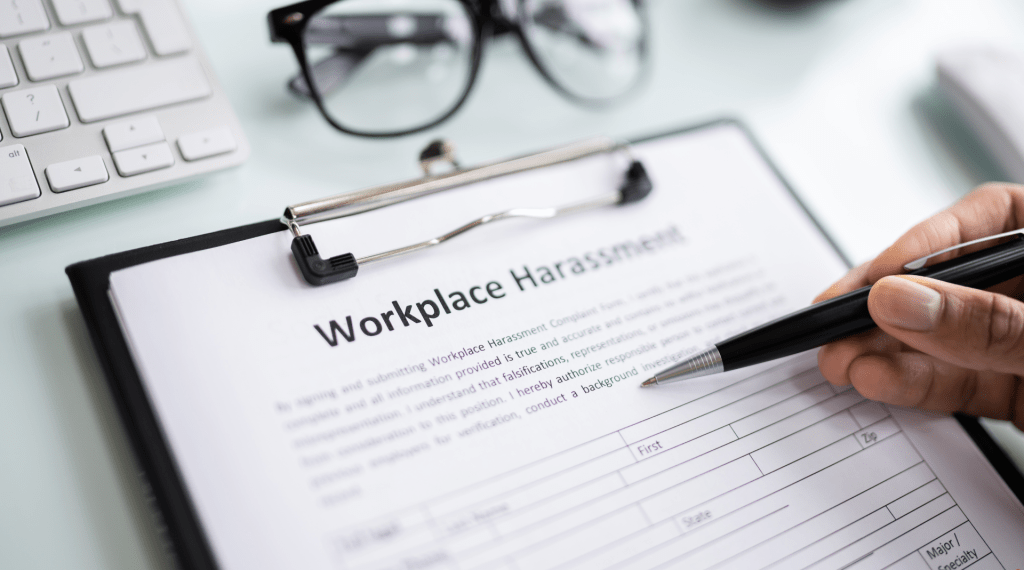
Harassment in the workplace takes many forms, and sexual harassment is among the most pervasive and damaging. Administrative professionals, such as executive assistants, are not immune to this issue and often face unique challenges in addressing it. The fear of reporting harassment can be overwhelming, and even when they do come forward, the process is often shrouded in secrecy. Once action is taken, the matter is quickly closed, and employees are expected to move on despite the lingering emotional and psychological toll.
Sexual harassment leaves deep scars that don’t disappear once the harasser is removed. For many survivors, hearing the words “fully resolved” from an employer feels like an empty formality rather than a reflection of reality. The company may have followed protocol- investigating the claim, taking action, and dismissing the harasser – but the emotional aftermath is rarely acknowledged, let alone addressed.
When companies declare an issue fully resolved, they typically mean in a legal or procedural sense. But does that mean workplace policies were reviewed? Was sensitivity training implemented to prevent future incidents? Or was the primary concern keeping the matter quiet, avoiding scrutiny?
One of the most damaging effects of sexual harassment is the breakdown of trust – trust in the workplace as a safe environment, trust in colleagues, and even trust in yourself to recognize and respond to harmful situations. Even when the company takes decisive action, workplace dynamics can shift in unsettling ways. Some colleagues may distance themselves, unsure of how to engage with you. Others may unfairly label you as a troublemaker or overly sensitive. This isolation only deepens the wounds, making it feel as though you are the one being punished for speaking up.
Declaring a case fully resolved often means little more than checking a compliance box. But for those who endured the harassment, closure isn’t about formalities – it’s a personal, ongoing process of healing, rebuilding confidence, and regaining trust in the workplace. Without meaningful support, such as counseling, mental health resources, or even time off, true resolution remains out of reach.
The phrase fully resolved should carry more weight than corporate expediency. Companies must recognize that firing the harasser is just the first step. Real resolution requires a commitment to survivor support, workplace culture shifts, and proactive policy improvements. It means fostering an environment where employees feel safe, not just in the moment, but in the long term.
While an organization may consider a case closed, for the survivor, healing is an ongoing journey. True resolution is not just about removing the problem – it’s about acknowledging the lasting impact of harassment and ensuring survivors have the support they need to rebuild. Only by expanding what it truly means to resolve these situations can workplaces become safer, more inclusive, and genuinely supportive for all employees.
 Caribbean Society of Administrative Professionals
Leave a comment